Starting with welding can seem like a big step, and wondering What Safety Checks Should You Do Before Welding? is totally normal. It’s a question many beginners ask because getting it wrong can cause serious trouble. But don’t worry!
We’re going to break down exactly what you need to do, step by step. After we cover the important checks, we’ll explore how to set up your workspace perfectly.
Key Takeaways
- You’ll learn the essential safety gear you need to wear.
- We’ll show you how to check your welding machine for good working order.
- You’ll discover how to prepare your work area to avoid fires.
- We’ll cover how to check your metal before you start welding.
- You’ll understand how to manage fumes and ventilation.
- We will go over how to make sure your cables are safe.
Why Safety Checks Matter So Much
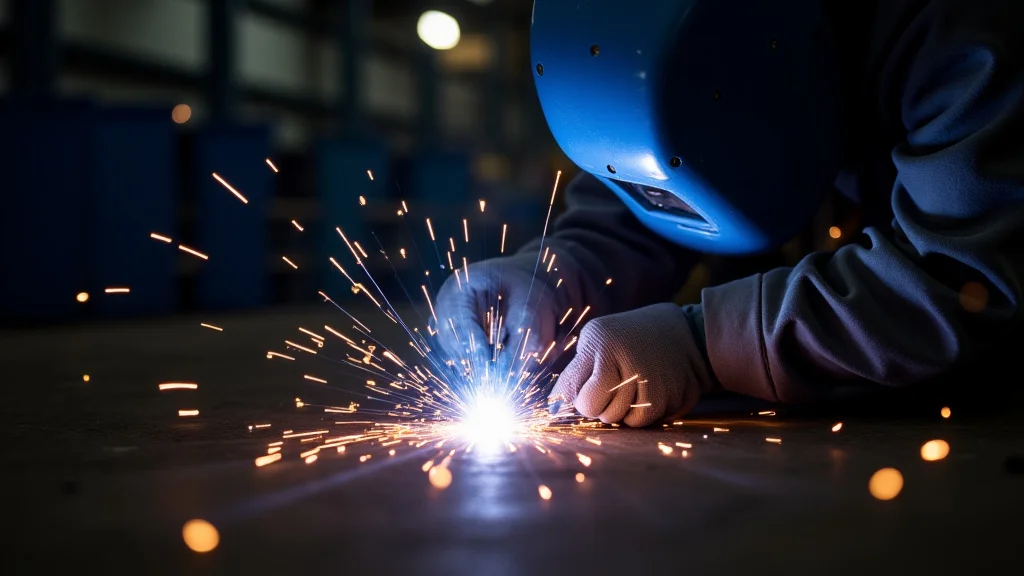
Welding creates intense heat, bright light, and sparks. Because of this, safety is the top priority. Not doing the right checks can lead to burns, eye damage, fires, or shocks.
It’s not about being scared; it’s about being smart and prepared.
Essential Personal Protective Equipment (PPE)
Your body is your most important tool. Protecting it is step one. Wearing the right gear stops sparks, heat, and UV rays from hurting you.
What to Wear
Think of this as your welding uniform. Every piece has a job.
- Welding Helmet: This is a must. It has a special lens that darkens instantly when you strike an arc. This protects your eyes from the super bright light and harmful UV rays. Get one with a good shade number for the type of welding you’re doing.
- Welding Jacket or Apron: Made from fire-resistant material like leather or heavy cotton. This stops sparks and hot metal from burning through your regular clothes and skin. Sleeves should be long and cuffs tight.
- Welding Gloves: Heavy-duty gloves, usually made of leather. They protect your hands from heat and sparks. They also give you a good grip.
- Safety Glasses: Always wear these under your welding helmet. They protect your eyes from grinding dust or flying bits if something unexpected happens.
- Work Boots: Sturdy leather boots with a steel toe are best. They protect your feet from falling objects and hot sparks.
- Long Pants and Long-Sleeved Shirt: Even with a jacket, wear durable, non-synthetic clothing. Synthetics can melt onto your skin. Make sure there are no holes or frayed edges.
- Respirator (if needed): If you’re welding in an area with poor ventilation, or welding materials that create bad fumes, a respirator is important.
Checking Your Welding Machine and Tools
Your welding machine is the heart of the operation. Making sure it’s in good shape keeps you safe and ensures good welds.
The Welding Machine Itself
Before you even plug it in, give the machine a once-over.
- Power Cord and Plug: Check the power cord for any cuts, fraying, or damage. Make sure the plug is in good condition and fits snugly into the outlet. Never use a machine with a damaged cord.
- Ground Clamp: This is super important for safety. Ensure the ground clamp is clean, the cable is attached securely, and the clamp itself can grip firmly onto the workpiece or welding table. A poor ground can cause electrical shock.
- Electrode Holder or TIG Torch: Check for any cracks or damage. Make sure the connections are tight and clean.
- Gas Cylinder (if using MIG or TIG): If you’re using a gas cylinder for shielding, make sure it’s securely strapped to a cart or standing upright and chained to a wall. Check the regulator for any leaks or damage.
Other Tools
Don’t forget the tools you’ll use with the machine.
- Wire Brush: For cleaning metal. Make sure the bristles are not loose or falling out.
- Chipping Hammer: Used to remove slag after welding. Check for a secure handle.
- Grinder/Cutting Tools: If you’re preparing metal or cleaning welds, ensure these tools are in good working order with no damaged guards or cords.
Preparing Your Workspace
Your welding area needs to be safe. This stops fires and makes it easier to work.
Fire Prevention
Sparks can fly far. You need to stop them from starting fires.
- Clear the Area: Remove anything flammable from your welding spot. This includes sawdust, rags, solvents, paper, and paint. A good rule is to keep a 35-foot radius clear.
- Fire Extinguisher: Have a working fire extinguisher nearby. Know how to use it. A Class ABC extinguisher is good for most workshop fires.
- Spark Guard: Use fire-resistant blankets or curtains to block sparks if you can’t clear a large area.
- Flooring: Weld on a non-combustible surface like concrete or metal. Avoid welding over dirt or wood if possible.
Ventilation
Welding creates fumes. Breathing these fumes is bad for your health.
- Good Airflow: Always weld in a well-ventilated area. Open doors and windows.
- Exhaust Fans: If you can’t get enough fresh air, use an exhaust fan to pull fumes away from your breathing zone.
- Fume Extractors: For more serious welding, a fume extractor that captures fumes at the source is best.
Lighting and Space
Good lighting helps you see what you’re doing. Enough space prevents accidents.
- Adequate Light: Make sure your workspace is well-lit. This helps you see your weld puddle and avoid tripping hazards.
- Clear Walkways: Keep paths around your welding area free from clutter.
Preparing the Metal
The metal you weld also needs a quick check.
Cleaning the Surface
Dirt, rust, paint, and oil can mess up your welds. They can also create more fumes.
- Remove Contaminants: Use a wire brush or grinder to clean the metal where you will weld. You want to see clean, bare metal.
- Check for Coatings: Some metals have special coatings that can be toxic when heated. If you’re unsure, research the material or avoid welding it until you know it’s safe.
Checking for Damage
Look at the metal itself.
- Cracks or Weak Spots: If the metal is already damaged, welding it might make it worse. Be aware of thin areas or cracks.
- Thickness: Make sure your welding machine and settings are suitable for the thickness of the metal.
Checking Your Cables and Connections
The cables carry the power. Damaged cables are a serious shock hazard.
Power Cables
These connect your machine to the wall outlet.
- Inspect for Damage: Look for cuts, nicks, or worn spots on the insulation. Make sure the connectors are secure and clean.
- Proper Connections: Ensure the plug is fully seated in the outlet and the machine’s power switch is off before plugging or unplugging.
Welding Cables
These run from your machine to the electrode holder or torch and ground clamp.
- Check for Wear: Inspect these cables thoroughly. They take a lot of abuse. Look for any signs of overheating, fraying, or cuts.
- Secure Connections: Make sure the cables are firmly attached to the welding machine and the electrode holder/torch and ground clamp. Loose connections create resistance, heat, and poor welds.
- Cable Length: Use cables that are the correct length for your work. Overly long cables can cause power loss and become a tripping hazard.
Checking Your Environment and Other Hazards
Sometimes, the biggest risks are things you might not think of at first.
Electrical Safety
Water and electricity don’t mix. Neither do faulty wiring and welding.
- Dry Conditions: Never weld in wet conditions or with wet hands, clothing, or tools.
- Inspect the Area: Look for any exposed electrical wires or outlets that could be a hazard.
- Proper Grounding: As mentioned before, a solid ground connection is vital. It provides a safe path for electricity if something goes wrong.
Gas Cylinders (If Applicable)
If you use gas for MIG or TIG welding, these need care.
- Secure Cylinders: Always ensure gas cylinders are upright and securely chained or strapped to prevent them from falling.
- Check Valves and Regulators: Make sure the cylinder valve is closed when not in use and that the regulator is correctly attached and free from leaks.
- Proper Storage: Store cylinders away from heat sources and in a well-ventilated area.
Housekeeping
A tidy workspace is a safe workspace.
- Keep it Clean: Regularly clear away scrap metal, tools, and debris.
- Organized Tools: Keep your tools put away when not in use.
Final Review Before Striking the Arc
Before you start welding, take one last look.
- Gear On: Is your helmet down? Gloves on? Everything else fitting snugly?
- Area Clear: No flammable items nearby? Fire extinguisher ready?
- Machine Ready: All cables secure? Ground clamp tight?
- Metal Prepared: Is the metal clean and ready for a good weld?
Doing these checks every single time builds good habits. It makes welding much safer and more enjoyable.
Frequently Asked Questions
Question: What is the most important safety check before welding?
Answer: The most important safety check is ensuring you are wearing all your personal protective equipment (PPE), especially your welding helmet and fire-resistant clothing, to protect yourself from sparks, heat, and intense light.
Question: Can I weld if my welding cables are a little worn?
Answer: No, you should never weld with worn or damaged welding cables. They can cause electrical shocks, poor welds, and fires.
Question: What should I do if I see sparks flying towards flammable materials?
Answer: Immediately stop welding. Use your fire extinguisher if needed, and then remove the flammable materials or use a fire-resistant shield to block the sparks.
Question: Do I need to wear safety glasses under my welding helmet?
Answer: Yes, you should always wear safety glasses under your welding helmet. They provide an extra layer of protection for your eyes, especially if the helmet is lifted or if there are flying debris issues during grinding.
Question: How often should I check my welding machine for safety issues?
Answer: You should perform a quick safety check of your welding machine and connections every time you use it. A more thorough inspection can be done periodically, like at the start of a project or at the end of the day.
Final Thoughts
Always do your safety checks before welding. Wear your helmet, jacket, and gloves. Make sure your machine has a good ground and clean cables.
Clear your work area of anything that can burn and have a fire extinguisher close by. Clean the metal you’ll weld. Good ventilation is key to breathing safely.
Taking these simple steps helps prevent accidents. They let you focus on making great welds.