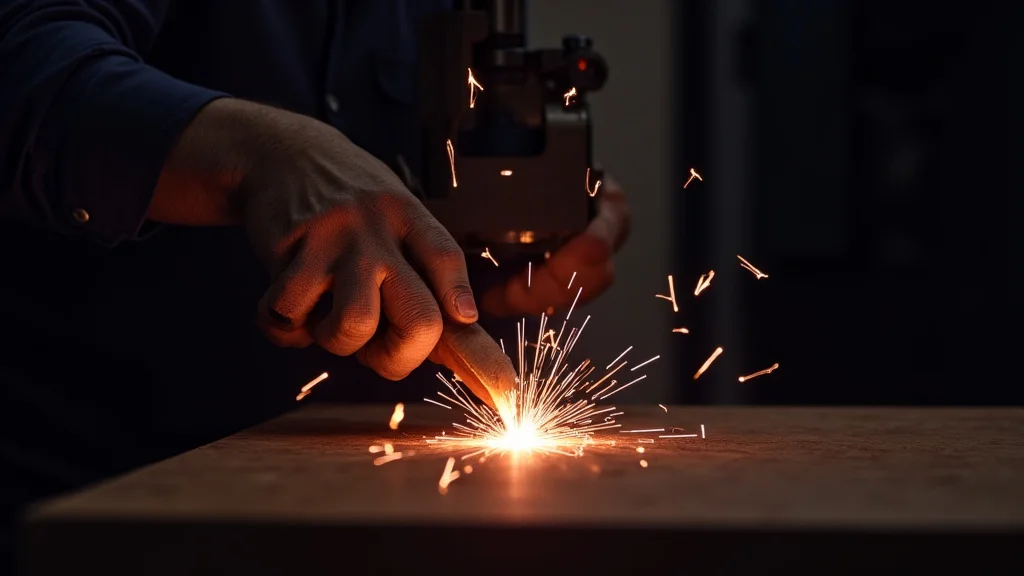
Sparks flying everywhere when you weld can be a bit unsettling, especially when you’re just starting out. It’s a common worry that often leads people to search for “Welding Machine Sparks Too Much? Troubleshoot.” Don’t worry, it’s usually quite fixable!
We’ll walk through simple steps to help you get your sparks under control so you can weld with more confidence. Let’s look at what might be causing those extra sparks and how to fix it.
Key Takeaways
- You’ll learn the common reasons why welding machines produce too many sparks.
- We’ll explain how to check and adjust your welding machine settings.
- Discover the role of your welding electrode or wire in spark control.
- Understand how to improve your welding technique to reduce sparks.
- Learn about essential maintenance for your welding equipment.
- You’ll be able to troubleshoot excessive sparks with confidence.
Why Are There So Many Welding Sparks?
Seeing a lot of sparks when you weld is a sign that something isn’t quite right. While some sparks are normal, too many can make your welding harder and less safe. They can make it difficult to see what you’re doing, create a mess, and even pose a fire risk.
For new welders, this can be confusing and frustrating. You might wonder if you’re doing something wrong or if your machine is broken. The good news is, most of the time, it’s a simple fix.
Common Causes of Excessive Welding Sparks
Several things can lead to your welding machine throwing off too many sparks. Let’s break down the most frequent culprits.
Incorrect Welding Amperage
Amperage is like the power setting for your welder. If it’s too high, you’re pushing too much heat into the metal. This can cause the metal to melt too quickly and spray out in little droplets, which look like sparks.
It’s like trying to boil water by putting the pot on the highest possible heat; it’s going to bubble over everywhere.
On the other hand, if the amperage is too low, the arc might be unstable. This can also lead to erratic behavior and more sparks than you want. Finding the sweet spot for your amperage is key to a clean weld.
Wrong Voltage Setting
Voltage works with amperage to create the welding arc. Think of amperage as the amount of current and voltage as the “push” behind that current. If your voltage is too high, the arc can become too wide and splashy.
This means more molten metal is getting thrown around, creating those excess sparks.
Too low a voltage can also cause problems, leading to a weak arc that might sputter and spit. You want a steady, consistent arc that melts the metal just right, not explosively.
Incorrect Travel Speed
How fast or slow you move your welding torch or stick matters a lot. If you move too slowly, you’re letting too much heat build up in one spot. This overheats the metal and causes it to spray out.
It’s like dragging your torch across the metal instead of guiding it.
Moving too fast can also be an issue. If you go too quickly, you don’t give the arc enough time to melt the metal properly. This can lead to a weak weld and sometimes a sputtering arc that creates unwanted sparks.
Poor Electrode or Wire Selection
The type of welding rod (for stick welding) or wire (for MIG welding) you use plays a big part. Different metals and welding processes require specific types of electrodes or wire. Using the wrong one can cause the arc to be unstable and produce a lot of sparks.
For example, some electrodes are designed for specific types of steel, and using them on the wrong material can lead to unexpected results. The coating on stick electrodes, called flux, also affects the arc and the amount of spatter.
Dirty Base Metal
The metal you’re welding needs to be clean. Rust, paint, oil, or dirt on the surface can get heated up and burned off by the welding arc. This burning process releases gases and particles that can cause the arc to become unstable and spray sparks.
It’s like trying to cook on a dirty pan – things get messy.
Always clean the metal thoroughly before you start welding. This ensures a cleaner arc and a stronger weld.
Incorrect Electrode Stick-Out (for Stick Welding)
When you’re using a stick electrode, how far the end of the electrode sticks out from your electrode holder is important. If you stick it out too far, it can overheat before it even reaches the metal. This causes it to burn unevenly and produce more sparks.
Keeping the stick-out short and consistent helps the electrode melt smoothly and creates a more stable arc. It also helps protect the molten pool from air.
Ground Clamp Issues
The ground clamp connects your welding machine to the workpiece, completing the electrical circuit. If the ground clamp isn’t making good contact with the metal, the circuit can become unstable. This can lead to a shaky arc and a lot of spatter and sparks.
Make sure the ground clamp is attached to clean metal and is clamped on tightly. A loose or dirty connection is a common cause of welding problems.
Shielding Gas Problems (for MIG and TIG Welding)
For MIG and TIG welding, shielding gas is used to protect the weld pool from air. If you don’t have enough gas, or if the gas flow is inconsistent, the weld is exposed to the atmosphere. This can cause the arc to become unstable and create excessive spatter.
Check your gas cylinder to make sure it’s not empty. Also, make sure your gas flow rate is set correctly. Wind can also blow away the shielding gas, so try to avoid welding in drafty areas.
Troubleshooting Steps: Fixing Too Many Sparks
Now that we know what can cause too many sparks, let’s look at how to fix it.
1. Check Your Amperage and Voltage Settings
This is the first place to look. Consult your welding machine’s manual or the welding parameters chart for the type of metal and thickness you are working with. Start with the recommended settings and make small adjustments.
- Too much heat? Lower the amperage.
- Arc feels weak or jumpy? Try increasing the amperage slightly.
- Sparks are spraying wide? Adjust the voltage. Often, a slightly lower voltage can help reduce spatter in MIG welding.
It might take a few test welds on scrap metal to dial in the perfect settings.
2. Adjust Your Travel Speed
Practice moving your torch or electrode at a consistent pace. If you’re moving too slowly, try speeding up. If you’re going too fast, slow down.
You want the electrode to maintain a consistent distance from the workpiece and the molten puddle.
A good way to judge is by the sound of the arc. A smooth, consistent hum usually means you’re in the right range.
3. Choose the Right Consumables
Make sure you’re using the correct welding rod or wire for the job. Look at the specifications of the metal you are welding and choose a consumable that matches. For example, if you’re welding mild steel, use a mild steel electrode or wire.
Read the packaging of your welding consumables. It often provides recommended settings and tips for best performance.
4. Clean Your Workpiece Thoroughly
Before you start welding, use a wire brush and a degreaser to remove any rust, paint, oil, or dirt from the metal. For TIG welding, it’s especially important to have a clean surface. A clean surface leads to a cleaner arc and a stronger weld with fewer sparks.
Don’t skip this step! It makes a big difference.
5. Check Your Ground Clamp Connection
Ensure the ground clamp is attached to a clean spot on your workpiece or welding table. Make sure it’s clamped down firmly. If you’re welding on a surface that’s painted or rusted, try to find a bare metal spot to attach the clamp.
A solid ground connection is vital for a stable arc.
6. Inspect Your Shielding Gas System (MIG/TIG)
For MIG and TIG welders, check that your gas cylinder valve is open and that there’s gas in the tank. Set your flow meter to the recommended setting, usually between 15-25 CFH (cubic feet per hour). Test the gas flow by briefly pressing the trigger (without welding) and feel for gas coming out of the nozzle.
Also, make sure your gas nozzle isn’t clogged and that there are no leaks in your gas hose.
7. Examine Your Electrode Holder or Gun
For stick welding, check your electrode holder for any damage. For MIG welding, inspect your gun liner and contact tip. A worn-out contact tip in a MIG gun can cause the wire to feed poorly and lead to an erratic arc and excessive spatter.
Replace them if they look damaged or worn.
Ensure the contact tip is the correct size for your welding wire.
8. Consider Your Welding Angle
The angle at which you hold your torch or electrode can also affect the arc. For MIG welding, a slight drag angle (pulling the gun slightly behind the puddle) often produces less spatter than a push angle. For stick welding, maintaining a consistent angle helps control the puddle and reduce sparks.
Experiment with small changes in your angle to see how it affects the spark output.
When to Seek Professional Help
If you’ve tried all these steps and your welding machine is still producing an excessive amount of sparks, there might be an internal issue with the machine itself. In this case, it’s best to contact the manufacturer or a qualified welding equipment repair technician.
Frequently Asked Questions
Question: Why does my MIG welder spit a lot of sparks?
Answer: Excessive sparks in MIG welding are often caused by incorrect voltage or amperage settings, wrong wire speed, dirty metal, or issues with the shielding gas flow. Adjusting voltage and ensuring proper gas coverage are key troubleshooting steps.
Question: Is it normal for stick welding to produce a lot of sparks?
Answer: Some sparks are normal in stick welding, but too many can indicate problems. Common causes include incorrect amperage, too long an electrode stick-out, dirty metal, or using the wrong type of electrode. Checking these factors can help reduce excessive sparks.
Question: How can I reduce spatter when welding?
Answer: To reduce spatter, ensure your amperage and voltage are set correctly for the material. Clean the workpiece, use the right welding consumables, maintain a consistent travel speed, and check your ground clamp connection. For MIG, ensure proper shielding gas flow.
Question: My welding machine is brand new, but it’s sparking too much. What’s wrong?
Answer: Even new machines can have issues if not set up correctly or if there’s a defect. Double-check your settings against the manual, ensure you’re using the right consumables, and verify that all connections are secure. If problems persist, contact the dealer or manufacturer.
Question: Can the type of metal I’m welding affect the sparks?
Answer: Yes, different metals can behave differently under a welding arc. Thicker metals may require higher amperage, while some alloys might be more prone to spatter if not welded with the correct settings and consumables. Always refer to welding charts for specific metal types.
Final Thoughts
Getting your welding machine to stop sparking excessively is often about making small, smart adjustments. You learned that checking your machine’s settings, keeping your metal clean, and using the right welding materials are big steps. Simple things like a tight ground clamp or enough shielding gas can fix a lot of problems.
Keep practicing these fixes, and you’ll soon be welding with much less worry about those flying sparks.