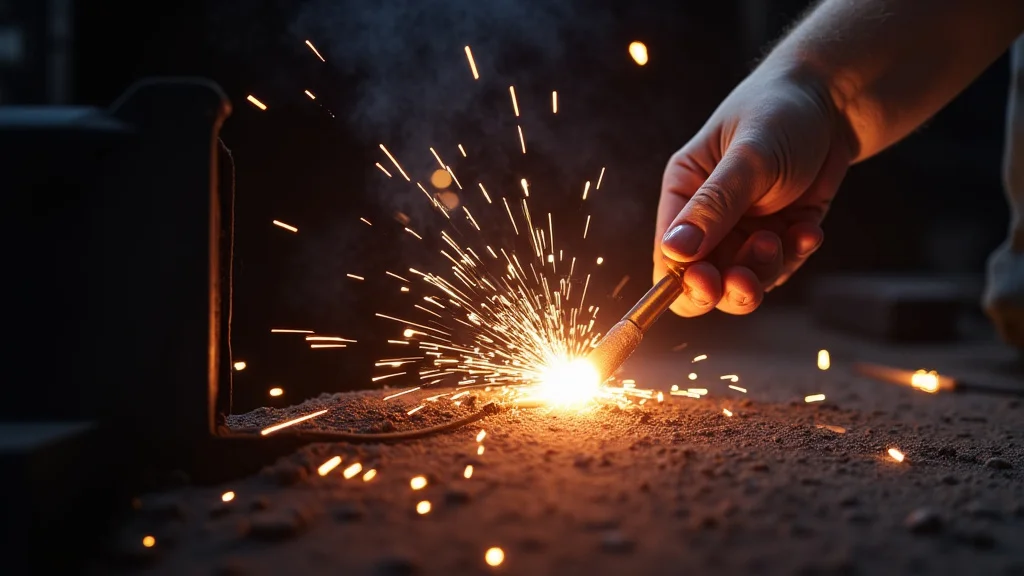
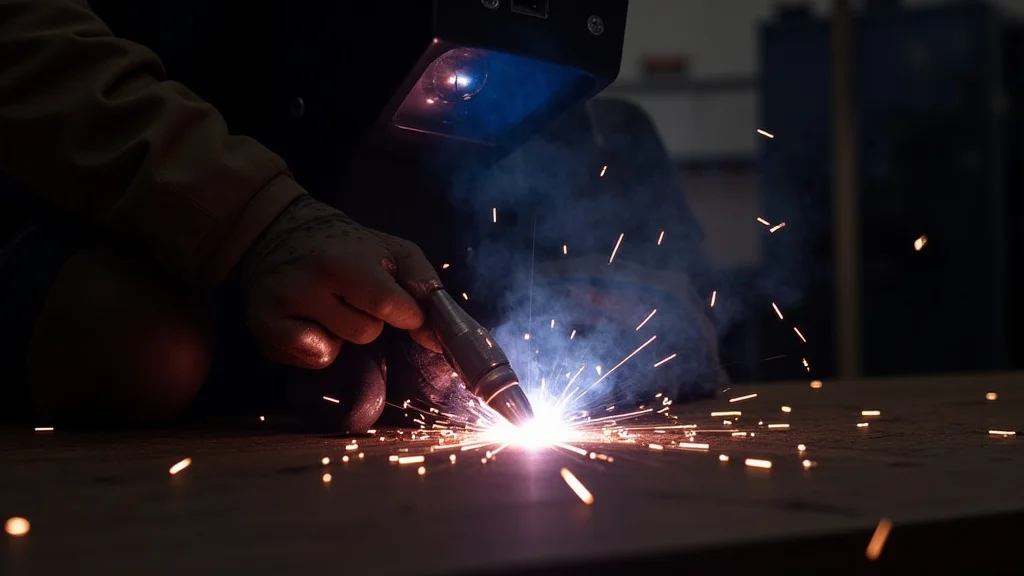
Seeing your MIG welder sputter and jump is super frustrating, especially when you’re learning. That bumpy, unpredictable arc, often described by the phrase MIG Welder Erratic Arc? How to Fix Fast, can make you feel like you’re wrestling with the machine instead of welding.
Don’t worry, it’s a common hurdle for new welders, and we’ve got simple, step-by-step fixes that will get you welding smoothly again in no time. Let’s stop that jumpy arc and get to the good stuff!
Key Takeaways
- You’ll learn the main reasons why your MIG welder’s arc might be acting up.
- Discover how to quickly check and adjust your wire speed for a steady arc.
- Understand the impact of voltage settings on arc stability and how to dial them in.
- Learn how to troubleshoot contact tip issues to prevent arc problems.
- Find out why proper shielding gas is key to a smooth MIG weld.
- Get tips on checking your ground clamp connection for a solid electrical path.
Why Your MIG Welder Arc Gets Erratic
It’s like a car sputtering before it stalls; an erratic MIG arc is a clear signal something isn’t quite right. This jumpy, inconsistent flow of electricity makes your weld look messy and can even weaken it. For beginners, it’s confusing because welding should feel more controlled. You might be wondering, “MIG Welder Erratic Arc? How to Fix Fast” because this problem interrupts your workflow and makes you doubt your skills.
Several things can cause this. Think of it like trying to draw with a pen that’s running out of ink or has a bent tip. The results won’t be smooth. The most common culprits are settings that are off, problems with the consumables (like the wire and tip), or issues with the electrical connection. Getting these right is key to a nice, steady arc.
Checking Your Settings: Wire Speed and Voltage
The heart of a MIG welder’s performance lies in its settings: wire speed and voltage. When these are out of sync, your arc will pay the price.
Wire Speed
Wire speed controls how fast the welding wire feeds out of the gun. If it’s too fast, the wire hits the workpiece with too much force, creating a spattery, jumpy arc. The machine can’t melt the wire fast enough, so it pushes too hard.
On the flip side, if the wire speed is too slow, you don’t get enough filler metal for the arc. This can also lead to an unstable arc.
* How to Adjust: For most materials, you’ll want a smooth, consistent wire feed. Listen to the sound of the arc. A good weld sounds like a steady sizzle. If it’s popping and sputtering, your wire speed is likely too high. If it sounds weak or you’re getting a lot of spatter and the wire is just melting without much penetration, it might be too low.
Voltage
Voltage controls the arc length. Think of it as the “heat” of the arc. A higher voltage means a longer, hotter arc, while a lower voltage means a shorter, cooler arc.
* Too High Voltage: This can make your arc sound “hissy” and create a wide, flat weld puddle. It can also lead to excessive spatter and undercut (a groove at the edge of the weld). The arc might seem to float or be too loose.
* Too Low Voltage: A low voltage setting makes the arc feel “digging” into the metal. You’ll get a narrow, tall bead that might not fuse well. The arc can also seem to pull back, making it hard to control. This can manifest as a spiky, unstable arc.
* How to Adjust: The general rule of thumb is to adjust your voltage to match your wire speed. As you increase wire speed, you usually need to increase your voltage slightly. The goal is a smooth, controlled arc where the wire melts cleanly into the puddle. Many welding machines have suggested settings charts based on wire diameter and material thickness. Start there and fine-tune by listening and observing the arc.
Troubleshooting Your Consumables
Consumables are the parts of your welder that get used up or wear out. Keeping them in good shape is vital for a steady arc.
Contact Tip
The contact tip is where the welding wire exits the gun and makes electrical contact. If this tip is dirty, worn, or has a hole in it, it can seriously mess up your arc.
* Dirty Tip: Spatter can build up inside the tip, narrowing the opening and causing the wire to feed unevenly. This creates resistance and makes the arc jump.
* Worn Tip: Over time, the hole in the tip will widen and get deformed. This changes the way the wire comes out and affects the electrical connection, leading to an erratic arc.
* Incorrect Size Tip: Using a tip that’s the wrong size for your welding wire will also cause feeding and arc problems.
* How to Fix:
* Clean the Tip: Regularly clean the tip with a wire brush or a tip cleaner tool. You can also use a welding anti-spatter spray to help prevent buildup.
* Inspect and Replace: Look closely at the tip. If it looks enlarged, misshapen, or has a lot of burned-on spatter that won’t come off, it’s time to replace it. This is a cheap part that makes a big difference. Make sure you use the correct size tip for the wire you’re using.
Welding Wire
The quality and condition of your welding wire are also important.
* Rust or Dirt: If your wire is rusty or dirty, it won’t feed smoothly through the liner and contact tip. This causes a jerky feed and an erratic arc.
* Kinks or Damage: Kinked or damaged wire can get stuck or feed inconsistently.
* Incorrect Wire Type: Using the wrong type of wire for your material can also affect weld quality and arc stability.
* How to Fix:
*Use Clean Wire: Always use clean, rust-free welding wire. If a spool is old and shows signs of rust, consider replacing it.
* Check for Damage: Unspool a bit of wire and look for kinks or bends. If you find any, you might need to cut out the damaged section.
*Proper Storage: Store your wire spools in a dry place to prevent rust.
Wire Liner
The wire liner is a flexible tube inside your welding gun that the wire travels through. If it’s damaged or has a buildup of debris, it can cause feeding issues.
* How to Fix: If you’re having consistent wire feeding problems, the liner might be the culprit. It can get kinked or worn out over time. Replacing the liner is a common maintenance task.
Shielding Gas is Crucial
MIG welding uses a shielding gas to protect the molten weld puddle from the air. The air contains oxygen and nitrogen, which can contaminate the weld, making it weak and brittle.
* Incorrect Gas Type: Using the wrong type of gas for your application can lead to poor weld quality and an unstable arc. For example, using pure argon on steel might not be ideal; a mix like 75% Argon/25% CO2 is common for steel.
* Low Gas Pressure/Flow: If your gas cylinder is running low, or the regulator is set too low, you won’t get enough shielding gas. This is often called “porosity” in the weld (small holes). An erratic arc can be a symptom of insufficient shielding.
* Leaks: Leaks in the gas hose, regulator, or connections can also reduce gas flow.
* How to Fix:
* Check Your Gas Type: Make sure you’re using the correct shielding gas for the type of metal you’re welding. Consult your welder’s manual or welding supply store for recommendations.
* Monitor Gas Pressure: Keep an eye on your gas cylinder pressure gauge. When it gets low, it’s time for a refill or a new cylinder.
* Set the Flow Rate: A good starting point for flow rate is usually around 15-25 cubic feet per hour (CFH), but this can vary. You can check this with a flowmeter on your regulator.
* Listen for Leaks: Periodically check connections for hissing sounds that indicate a leak.
Electrical Connections Matter
Welding is all about electricity. A good, clean electrical path is essential for a stable arc.
Ground Clamp
The ground clamp connects your welding machine to the workpiece, completing the electrical circuit.
* Poor Connection: If the ground clamp is loose, dirty, or not making good contact with the metal, the electrical current can be inconsistent. This leads to an erratic arc, spatter, and poor weld penetration.
* Rust or Paint: Any rust, paint, or dirt on the workpiece or the clamp itself will create resistance and hinder a good connection.
* How to Fix:
* Cleanliness is Key: Always ensure both the workpiece and the ground clamp are clean and free of rust, paint, or any other debris. A wire brush is your friend here.
* Firm Grip: Make sure the clamp is attached firmly to the workpiece or a clean metal surface connected to it.
* Short Leads: Keep your ground clamp lead as short as possible. Longer leads can have more resistance.
Workpiece Clamp
Similarly, if you’re welding something where the clamp is attached to a fixture or another piece of metal, ensure that connection is also clean and secure.
Machine Maintenance and Setup
Sometimes, the problem isn’t with your settings or consumables, but with the machine itself.
Drive Rollers
The drive rollers in your wire feeder push the welding wire through the gun. If these are dirty, worn, or the tension is set incorrectly, it will affect wire feeding.
*How to Fix: Clean the drive rollers with a wire brush or a rag. Check the tension – it should be tight enough to grip the wire but not so tight that it crushes it.
Machine Internal Issues
While less common for beginners, internal issues with the welder can cause erratic arcs. This might include problems with the wiring, circuit boards, or power supply.
* How to Fix: If you’ve checked everything else and the problem persists, it might be time to consult your welder’s manual for troubleshooting specific to your model or contact the manufacturer for support.
Quick Checklist for a Stable Arc
When you’re facing a MIG Welder Erratic Arc? How to Fix Fast situation, run through this quick list:
1. Wire Speed: Is it too high or too low? Listen to the sound.
2. Voltage: Is it matched to the wire speed? Does the arc feel too long or too short?
3. Contact Tip: Is it clean, the right size, and not worn out?
4. Wire: Is it clean, rust-free, and not kinked?
5. Gas Flow: Is the cylinder pressure okay? Is the flow rate set correctly?
6. Ground Clamp: Is it making a solid, clean connection?
Frequently Asked Questions
Question: What’s the most common reason for a MIG welder’s arc to be erratic?
Answer: The most common reasons are incorrect voltage or wire speed settings, or a dirty or worn contact tip.
Question: How can I tell if my wire speed is too high?
Answer: If your arc is sputtering, popping, and creating a lot of spatter, your wire speed is likely too high.
Question: Does the type of shielding gas affect the arc?
Answer: Yes, using the wrong type of shielding gas for your material can lead to poor weld quality and an unstable, erratic arc.
Question: What should I do if I see holes in my finished weld?
Answer: Holes in your weld (porosity) usually mean you have a shielding gas problem, such as low gas flow or leaks.
Question: Is it okay to use a rusty wire spool?
Answer: It’s best to avoid rusty wire. Rust and dirt can cause feeding issues and contaminate your weld, leading to an erratic arc and weaker welds.
Final Thoughts
Seeing that jumpy arc can be discouraging, but remember, it’s a solvable problem. By systematically checking your wire speed and voltage, ensuring your consumables like the contact tip are clean and in good shape, and confirming your shielding gas is flowing properly, you’ll find the fix. A good ground connection is also key. Most erratic arcs are due to simple adjustments. You’ve got this!