Getting started with welding can feel a bit overwhelming, especially when you’re wondering, What Safety Gear Do You Need for Welding? It’s a really common question because staying safe is super important. Don’t worry, though! We’ll break it down simply, step by step.
First, we’ll look at the most important items you need to protect yourself.
Key Takeaways
- You need special clothing to shield your skin from sparks and heat.
- Eye protection is vital to prevent serious damage from bright lights and sparks.
- Gloves protect your hands from heat, cuts, and electrical shocks.
- Footwear should be sturdy and cover your ankles to guard against falling objects and sparks.
- Respiratory protection is necessary to avoid breathing in harmful fumes.
- Hearing protection is important in noisy welding environments.
Understanding Welding Safety Gear
Welding creates intense heat, bright light, and tiny flying sparks. It also releases fumes that aren’t good to breathe. Because of all this, using the right safety gear is a must for everyone, from beginners to pros.
It’s not just about comfort; it’s about preventing injuries like burns, eye damage, and lung problems.
Why Specific Gear is Essential
Regular clothes just won’t cut it. Cotton can catch fire easily from sparks. Jeans might seem tough, but they don’t fully protect your legs.
The bright arc from welding can cause permanent eye damage in seconds. Even small burns can be very painful and take a long time to heal. This is why we have special gear designed just for welding.
Essential Protective Clothing
Your body needs to be covered from head to toe. This is your first line of defense against heat, sparks, and UV rays from the welding arc.
Flame-Resistant Jackets and Pants
You need clothing made from natural fibers that are flame-resistant. Think about materials like 100% cotton denim, wool, or leather. Synthetics like polyester can melt onto your skin, causing worse burns.
Many welders choose special welding jackets and pants made from durable, flame-resistant materials. These are usually loose-fitting to allow air circulation but still offer good coverage.
- Look for materials like treated cotton, wool, or leather.
- Avoid synthetic fabrics.
- Ensure clothing covers your arms and legs completely.
- Loose-fitting is often better for comfort and airflow.
Leather Aprons and Sleeves
Sometimes, a welding jacket might not be enough, or you might want extra protection for certain tasks. A leather apron can shield your torso from sparks and hot metal. Leather sleeves can protect your arms, especially if you’re welding overhead or in positions where sparks are likely to fall.
What About Your Head and Neck?
Your head and neck are also vulnerable. A welding helmet (which we’ll cover more in eye protection) usually protects the face, but you might need a hood for full coverage. A welding cap or bandana made of flame-resistant material can protect your hair and scalp from sparks.
It also helps keep sweat out of your eyes.
Eye and Face Protection: The Welding Helmet
This is arguably the most critical piece of safety gear. The light from a welding arc is incredibly intense, containing ultraviolet (UV) and infrared (IR) radiation that can cause serious eye damage, often called “welder’s flash.”
The Welding Helmet
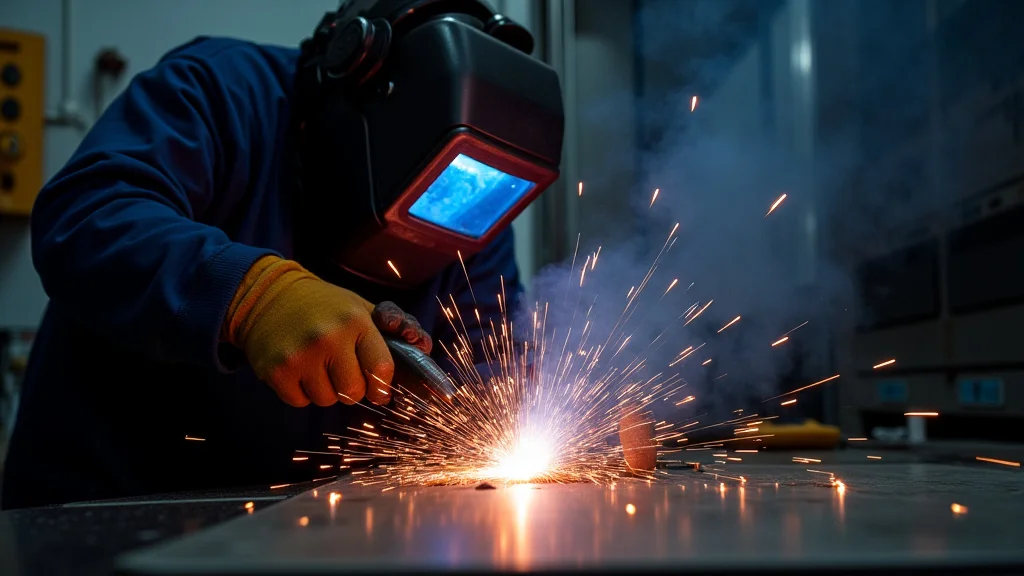
A good welding helmet does more than just shield your eyes. It protects your entire face and neck from sparks, heat, and UV/IR radiation. There are two main types:
Passive Lenses
These have a fixed shade number. You have to lift the helmet to see your work clearly before you start welding. They are less expensive but require more effort to use.
Auto-Darkening Lenses (ADF)
These are much more popular now. The lens is clear when you’re not welding, and it automatically darkens to a pre-set shade when it detects the arc. This allows you to keep both hands free and see your work area without lifting the helmet.
ADF helmets have different shade settings and sensitivity controls.
- Shade number is key: Higher numbers mean darker shades. The correct shade depends on the welding process and amperage.
- Auto-darkening helmets are convenient and improve safety.
- Look for a helmet that meets safety standards (like ANSI Z87.1).
- Don’t forget safety glasses worn under the welding helmet for an extra layer of protection.
Hand Protection: Welding Gloves
Your hands are constantly near hot metal, sparks, and the welding arc. They need tough protection.
Choosing the Right Gloves
Welding gloves are typically made from thick leather, like cowhide, goatskin, or deerskin. This leather is durable and offers good insulation against heat. They should be long enough to cover your wrists and go up your forearm, especially if you’re not wearing a jacket with long sleeves.
- Leather is the best material for heat and spark resistance.
- Gloves should fit snugly but not too tight, allowing for dexterity.
- Consider the length for wrist and forearm protection.
- Check for any tears or holes before each use.
Foot Protection
Your feet are at risk from falling metal, sparks, and hot surfaces. Sturdy footwear is essential.
Safety Boots
You need boots that are made of leather and have a high ankle cuff. This cuff helps protect your ankles and lower shins from sparks and hot debris. Steel-toe or composite-toe caps are also a good idea to protect your feet from heavy objects that might fall.
Ensure the soles are slip-resistant and made of materials that won’t easily catch fire or melt.
- High-top leather boots are recommended.
- Look for steel or composite toes.
- Oil and slip-resistant soles are important.
Respiratory Protection: Breathing Safely
Welding produces fumes and gases that can be harmful to your lungs if inhaled. The type of protection you need depends on the welding process and the materials you are working with.
Respirators and Masks
For general welding, a basic dust mask might not be enough. You may need a respirator that filters out fine particles and fumes. Different respirators offer different levels of protection:
- Disposable respirators: These are good for light-duty work and offer basic protection against dust and some fumes. Look for N95 or higher ratings.
- Half-face respirators: These have replaceable cartridges that can filter out specific types of fumes and particles. They offer better protection and are reusable.
- Supplied-air respirators: For heavy-duty welding or when working with hazardous materials, a supplied-air system might be necessary. This provides clean air from an external source.
Always ensure the respirator fits well and is comfortable to wear. Proper fit is key to effective protection.
Hearing Protection
Some welding processes, especially those involving grinding or chipping, can produce noise levels that can damage your hearing over time. While not as immediately obvious as burns or eye damage, long-term hearing loss is a serious concern.
Earplugs and Earmuffs
Simple earplugs or earmuffs can significantly reduce noise exposure. They are lightweight and easy to use. If you’re using a grinder before or after welding, or if your welding process is particularly noisy, make sure to wear hearing protection.
- Earplugs are inserted into the ear canal.
- Earmuffs cover the entire ear.
- Both are effective at reducing noise levels.
Additional Safety Items
Beyond the core gear, a few other items can enhance your safety.
Work Boots
As mentioned, sturdy leather boots are vital. They should have soles that are resistant to heat and sparks. Avoid athletic shoes or anything with fabric that can easily catch fire.
Fire Extinguisher
Always have a fire extinguisher rated for Class A, B, and C fires nearby. Sparks can sometimes ignite nearby materials, and it’s important to be prepared to put out small fires quickly.
Ventilation
While not “gear” you wear, proper ventilation is crucial for safety. Ensure you are welding in a well-ventilated area or use fume extraction systems to remove harmful fumes from your breathing zone.
Frequently Asked Questions
Question: What is the most important piece of welding safety gear?
Answer: The most important piece of welding safety gear is the welding helmet with an auto-darkening lens. It protects your eyes and face from intense light, heat, and UV/IR radiation.
Question: Can I wear regular clothes for welding?
Answer: No, you should not wear regular clothes for welding. Synthetic materials can melt and cause severe burns, and cotton can easily catch fire from sparks.
Question: What kind of gloves are best for welding?
Answer: Thick leather gloves are best for welding. They provide protection from heat, sparks, and cuts. Look for gloves that cover your wrists and forearms.
Question: Do I need special boots for welding?
Answer: Yes, you need sturdy leather boots with high ankle cuffs. They protect your feet and ankles from sparks, falling hot metal, and potential electrical hazards.
Question: How do I protect myself from welding fumes?
Answer: You need respiratory protection like a respirator with appropriate cartridges to filter out fumes and gases. Welding in a well-ventilated area is also important.
Final Thoughts
Knowing What Safety Gear Do You Need for Welding? is essential for anyone picking up a welding torch. You need protective clothing like flame-resistant jackets and pants, a high-quality welding helmet for eye protection, sturdy leather gloves for your hands, and appropriate boots to guard your feet. Don’t forget respiratory protection against fumes and hearing protection from noise.
By using this gear, you can weld safely and effectively. Stay protected, and enjoy your welding!