When you’re just starting out with TIG welding, getting the weld pool to behave can feel a little tricky. That shiny, molten puddle seems to have a mind of its own sometimes, right? You might find yourself wondering about common TIG Welder Weld Pool Issues?
Quick Fix because they pop up often for beginners. Don’t worry, it’s totally normal! We’ll walk through it step-by-step to make things much simpler.
Next, we’ll look at what can go wrong and how to fix it.
Key Takeaways
- You will learn about common problems beginners face with TIG welding.
- This guide explains how to spot and fix TIG weld pool issues easily.
- You will get simple, step-by-step advice for better weld puddles.
- Learn how to control heat and filler metal for cleaner welds.
- Discover tips for different materials and situations.
- Gain confidence in your TIG welding skills.
Understanding TIG Weld Pool Behavior
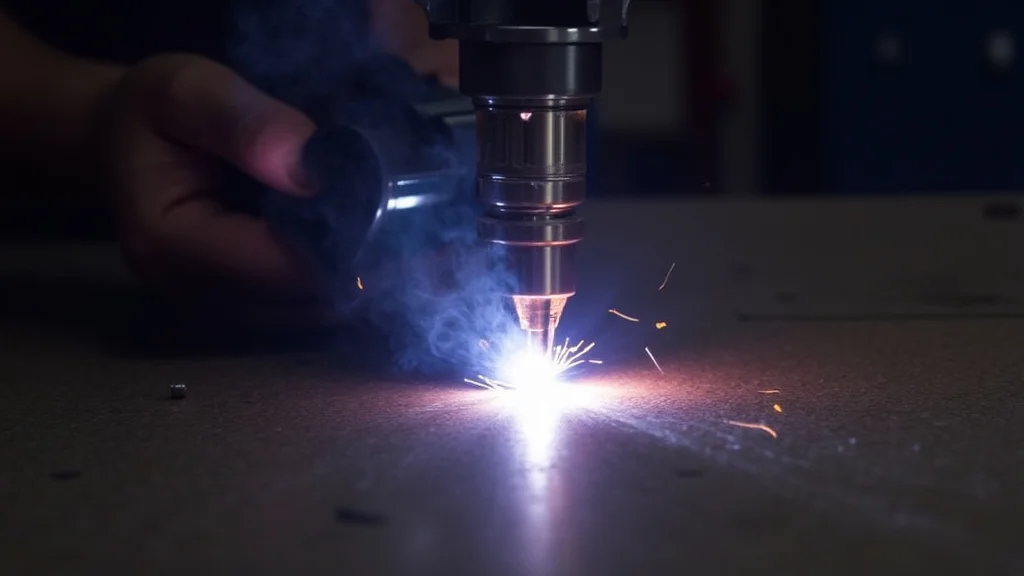
The weld pool is the heart of your TIG weld. It’s that small, glowing pool of molten metal where your base material and filler come together. Getting it right means making strong, clean joints.
When it’s not behaving, you get all sorts of problems.
For someone new to TIG welding, a lot of things can affect this little puddle. Think about how much heat you’re using, how fast you’re moving, and if you’re adding filler metal at the right time. All these little things matter.
It’s like learning to ride a bike; at first, it’s wobbly, but with practice, you get smooth.
Many beginners struggle with controlling the size and shape of the weld pool. They might make it too big, too small, or uneven. This can lead to weak welds, holes, or just messy-looking joints.
It’s a common hurdle, but one that can be overcome with a few simple techniques.
Common TIG Welder Weld Pool Issues
Let’s talk about the most frequent headaches you might run into when the weld pool isn’t doing what you want. Knowing what to look for is the first step to fixing it.
Too Much Heat
When you use too much heat, the weld pool gets too big. It starts to spread out too much, and you can lose control. The metal can get thin and even start to sag or fall through, especially on thinner materials.
This is sometimes called ‘washout’.
You might also see the metal glowing very brightly, and the edges of your puddle can look bubbly or almost like boiling water. This means it’s too hot and you’re about to lose control. The filler rod can also melt too fast if you’re holding it in the puddle for too long.
Not Enough Heat
On the flip side, if you don’t use enough heat, the weld pool will be too small and won’t spread out. It can look like a little bead that just sits on top of the metal. The filler metal might not melt into the base metal properly.
This usually results in a weak weld that’s not fused well. You’ll see a narrow line where the metal is joined, but it won’t look like the parts are really one piece. It’s like trying to glue two things together but not putting enough glue on them.
Moving Too Fast
If you move your torch too quickly, the weld pool doesn’t have time to form properly or flow into the joint. You end up with a very narrow bead that doesn’t penetrate the base metal well. It’s like dragging a stick through wet paint quickly; you don’t get a nice, smooth line.
The puddle might look like it’s being pulled along behind the arc, never quite catching up. This leads to what’s called ‘lack of fusion’ or ‘cold lap,’ where the new metal doesn’t bond with the old. It’s a weak point in your weld.
Moving Too Slow
Moving too slowly is usually a sign of too much heat. As we talked about, this makes the puddle spread out. You can end up with a wide, flat bead that’s not very strong.
The heat starts to spread into the surrounding metal too much.
This can also cause distortion, meaning the metal can bend or warp because of all the heat. For some jobs, a wide bead is okay, but usually, you want a nice, consistent bead size.
Adding Filler Metal Incorrectly
How and when you add your filler rod is super important. If you dip the filler rod into the puddle too much, you can cool it down too quickly, making it hard to restart the puddle. It can also cause inclusions, which are little bits of dirt or gas trapped in the weld.
If you don’t add enough filler metal, your bead will be too small and won’t have enough material to create a strong joint. If you add it too fast or in chunks, you can get uneven beads and poor fusion.
Contamination
Dirt, oil, paint, or rust on your metal can cause all sorts of problems with the weld pool. It can make the puddle fizz and pop, leading to porosity (tiny holes) or a rough, uneven weld. It can also weaken the joint.
Sometimes, contamination causes the metal to spit and splatter, making a mess. You might see dark spots or little bubbles in your weld bead. This shows that the impurities are getting trapped.
Quick Fixes for a Better Weld Pool
Now for the good stuff! How do we make these problems disappear? It’s all about small adjustments.
Controlling Heat (Amperage)
The main way to control heat is by adjusting your welder’s amperage. This is the power that heats up the metal. If your puddle is too big and runny, turn down the amperage.
If your puddle is too small and not melting properly, turn up the amperage. Think of it like a dimmer switch for your welding heat. Finding the right setting often comes with practice.
Start with recommended settings for your material thickness and adjust from there.
Tip: For thin metals, you need less heat. For thicker metals, you need more. It’s a balance.
Torch Angle and Travel Speed
Keep your torch at a consistent angle, usually about 75-85 degrees to the surface of the metal. This helps the shielding gas protect the weld pool from the air.
For travel speed, aim for a consistent pace. You want the puddle to form a nice, smooth bead. If the puddle is too far ahead of your torch, you’re moving too fast.
If it’s lagging or you’re having to wait for it, you might be moving too slow, or your heat is too high.
Tip: Watch the puddle. It should look like a liquid droplet that flows smoothly. Try to keep the puddle a consistent size.
Filler Metal Application
Dip the filler rod into the edge of the weld pool, just enough to melt it. You don’t want to plunge it into the middle of the molten metal. Think of it as adding a little bit of material to keep the puddle growing nicely.
Add the filler rod consistently. Try to match your filler rod dipping to your travel speed. A good rhythm is key.
If you’re having trouble keeping a consistent bead, try to pause your filler rod feeding for a moment and let the puddle catch up.
Tip: Use the right size filler rod for your material thickness. Too big or too small can cause issues.
Keeping Things Clean
Always clean your metal before you start welding. Use a stainless steel wire brush to remove any paint, rust, or oil. For oily metals, a little bit of acetone or isopropyl alcohol can help clean them further.
Make sure your shielding gas is on and flowing correctly. This helps keep the weld pool clean from air contamination.
Tip: Don’t touch the cleaned area with your bare hands after cleaning, as your skin oils can re-contaminate it.
Practicing on Scrap Metal
The best way to get a feel for the weld pool is to practice. Grab some scrap pieces of the same metal you’ll be welding and try different settings. Make practice beads, paying attention to how the puddle looks and behaves.
Try making short welds, then longer ones. See what happens when you speed up or slow down. Experiment with different amperages.
This hands-on practice is invaluable.
Tip: Try to make consistent beads about the same width. This shows you have good control over heat and speed.
Material-Specific Tips
Different metals need slightly different approaches.
Steel
Steel is generally forgiving. For mild steel, focus on getting good penetration. You might need a bit more heat and a steady hand with the filler rod.
For stainless steel, it’s different. It doesn’t transfer heat as well, so you can get hot spots. You might need to use slightly lower heat or move a bit faster to avoid burning through.
A specialized stainless steel filler rod is also important.
Aluminum
Aluminum welding is known for being challenging. It melts at a lower temperature and its color doesn’t change much when it gets hot enough to weld. You need to watch the puddle very closely for signs of fluidity.
Aluminum also transfers heat very quickly, so you can get a large puddle that wants to collapse. Sometimes, a faster travel speed or slightly lower amperage than you might expect is needed. Using AC (alternating current) on your TIG welder is essential for cleaning the aluminum oxide layer.
Common Mistakes to Avoid
Here’s a quick recap of what to watch out for:
- Washing Out: Too much heat, making the puddle too large. Lower your amps.
- Not Fusing: Not enough heat or moving too fast. Increase amps or slow down.
- Porosity: Contamination or poor shielding gas. Clean your metal and check gas flow.
- Doughnut Holes: Too much heat and trying to add filler too deep. Dip filler at the edge.
- Uneven Bead: Inconsistent travel speed or filler addition. Practice your rhythm.
Frequently Asked Questions
Question: What causes a TIG weld puddle to be too large and runny?
Answer: This is usually caused by too much heat (high amperage) for the material thickness you are welding. You might also be moving your torch too slowly, giving the heat too much time to spread. Reducing the amperage on your welder is the primary fix.
Question: My TIG weld bead is very narrow and doesn’t look like it’s melting into the base metal. What’s wrong?
Answer: This typically means you are not using enough heat (low amperage) or you are moving your torch too fast. Try increasing your amperage slightly and focus on maintaining a consistent, steady travel speed so the puddle has time to form and fuse the metals.
Question: Why does my TIG weld puddle sometimes sputter and create rough welds?
Answer: Sputtering often happens due to contamination on the metal surface (like oil, paint, or rust) or issues with your shielding gas. Make sure to thoroughly clean your base metal before welding and verify that your argon gas flow is set correctly and not being blown away.
Question: How do I know when to add filler metal to my TIG weld pool?
Answer: You add filler metal to the edge of the molten weld pool, just as it starts to spread. Dip the filler rod into the edge of the puddle, let it melt, and then pull it away slightly before the next dip. The goal is to add material to build the bead without cooling the puddle too much.
Question: Can I fix a TIG weld pool that is collapsing in the middle?
Answer: A collapsing puddle usually means you have too much heat and the molten metal is becoming too fluid. Try reducing your amperage, increasing your travel speed slightly, or ensure you are using adequate filler rod to help support the puddle. Maintaining a consistent torch angle also helps.
Final Thoughts
Getting the TIG weld pool right is a skill that improves with practice. You’ve learned that common issues like too much heat, poor filler control, and contamination are all fixable. By adjusting your amperage, controlling your speed, and keeping your materials clean, you can achieve better results.
Pay attention to how the puddle looks and behaves – it’s your best guide. Keep practicing on scrap, and you’ll see your welds get stronger and cleaner.